
If you have ever watched a video that looked smooth as butter or played a game that felt frustratingly choppy, you have already experienced the impact of FPS. Short for frames per second, FPS is one of the most important numbers in modern displays, gaming, and content creation. Yet most people never stop to learn what it actually means or why it controls so much of how a screen feels to use.
This guide breaks down FPS in plain language. You will learn what a frame really is, how your eyes perceive motion, why some frame rates feel smoother than others, and what numbers you should aim for depending on what you do on your device. By the end, you will know enough to test your own screen with confidence and judge whether your hardware is keeping up with your needs.
What Does FPS Actually Measure
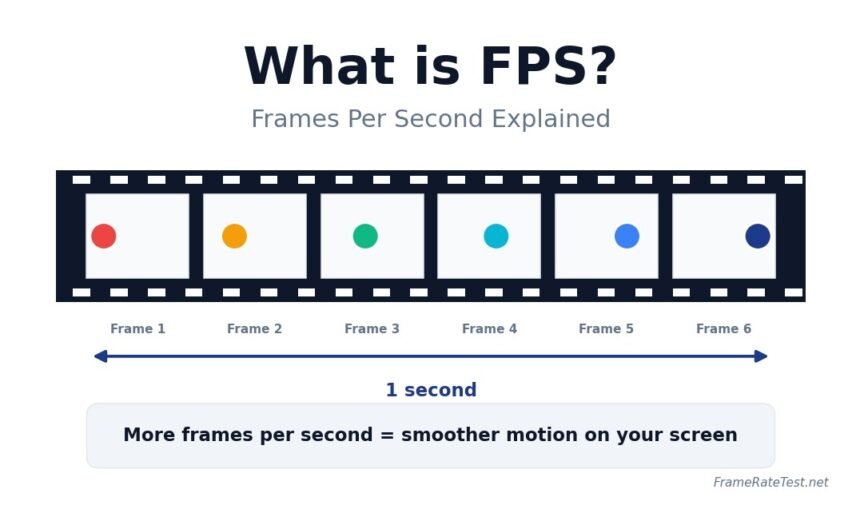
FPS measures how many individual still images, called frames, your screen displays in one second. Each frame is a complete picture, and when many of them are shown rapidly in sequence, your brain blends them to create the illusion of motion. This is the same principle behind classic flipbooks, except modern devices can produce dozens or hundreds of frames every single second.
The concept dates back to the earliest days of film. Early silent movies were typically projected at around 16 frames per second, while modern cinema standardized on 24 frames per second. You can read more about the history of frame rate standards on the Wikipedia overview of frame rate. Television, gaming, and online video have since pushed those numbers far higher to deliver smoother motion.
Why Higher FPS Looks Smoother
Higher FPS means smaller gaps between each frame. When the gap is small, motion appears continuous. When the gap is large, the eye notices the jumps, and the result feels stuttery or choppy. At 30 FPS, an object on screen moves a noticeable distance between frames. At 120 FPS, the same object moves only a quarter of that distance per frame, which the brain reads as fluid motion.
There is also a responsiveness benefit. In an interactive scenario like a video game, every new frame is a fresh chance for the screen to reflect your input. A higher FPS means less time between when you click or tap and when you see the result. That is why competitive gamers chase high frame rates so aggressively.
Common FPS Standards You Will Encounter
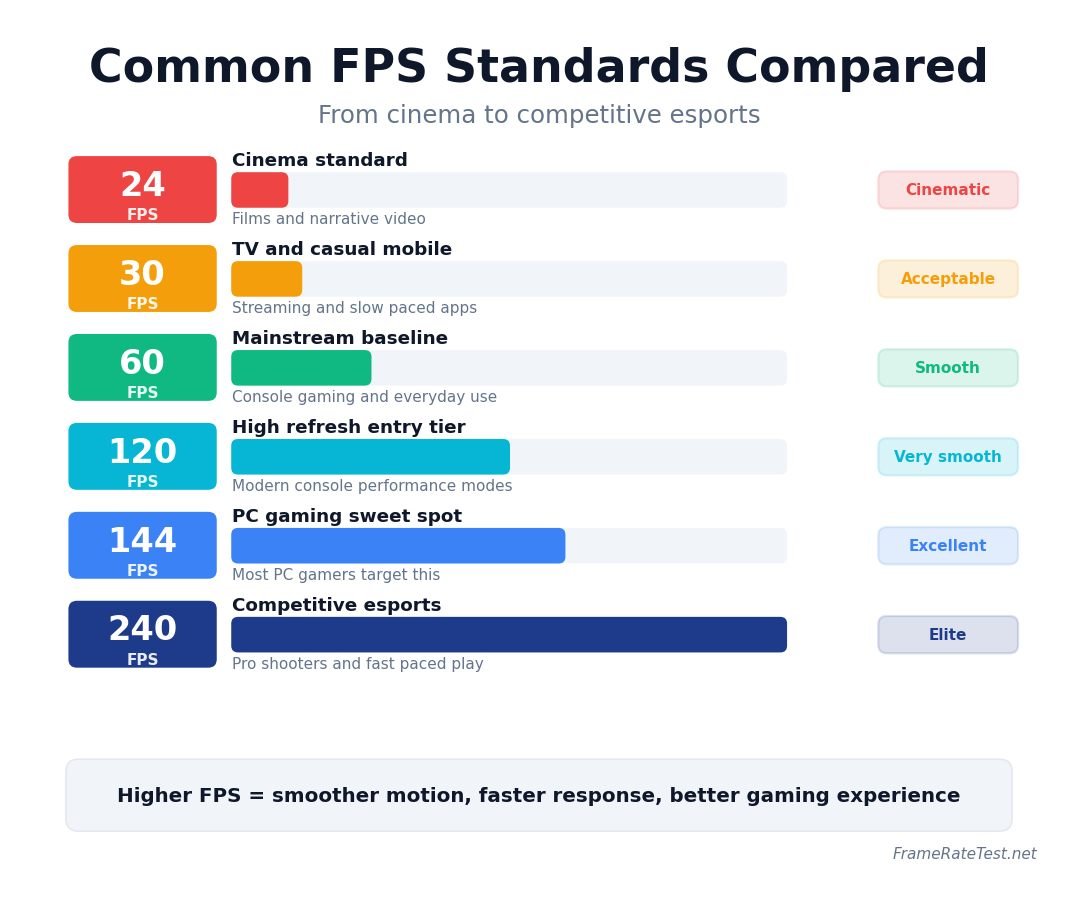
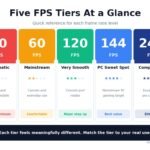
24 FPS
The classic cinema standard. It produces a soft, dreamlike motion that audiences associate with film. It is fine for narrative video, but it feels sluggish for anything interactive.
30 FPS
Common in television broadcasting, streaming video, and casual mobile games. Acceptable for slow-paced content, but visibly choppy for fast action.
60 FPS
The gold standard for general computer use, console gaming, and most online video. Almost every desktop monitor refreshes at least 60 times per second, so 60 FPS pairs perfectly with mainstream hardware.
120 FPS and 144 FPS
The starting point for high refresh rate gaming. Motion looks dramatically more fluid, scrolling feels lighter, and aiming in shooters becomes noticeably more precise.
240 FPS and Above
Used by competitive esports players who want every possible advantage. The improvements over 144 FPS are subtle but real, especially for fast camera movement in titles like Counter-Strike, Valorant, and Apex Legends.
FPS vs Refresh Rate
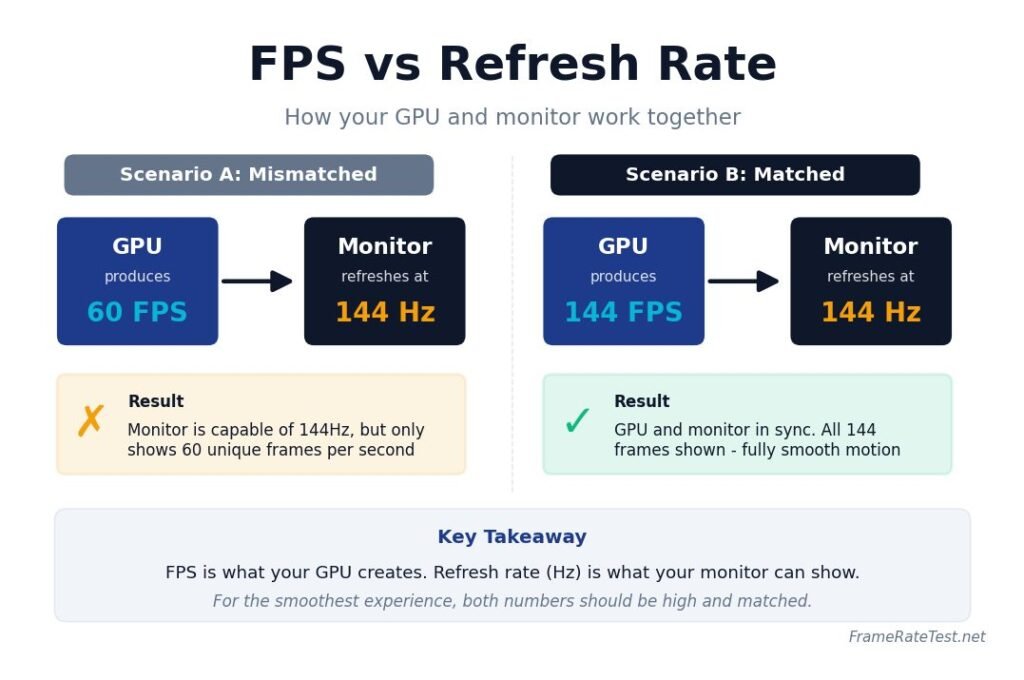
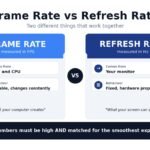
Your graphics hardware and processor generate FPS, while refresh rate is the speed at which your display can update, measured in hertz (Hz). A 144Hz monitor can show up to 144 different frames per second, but only if your hardware is producing them. If your game runs at 60 FPS on a 144Hz screen, you only get 60 unique frames per second on screen. Display experts at RTINGS explain this relationship in greater technical detail, and it is one of the most important pairings to understand when buying a new display.
How to Test Your Own Frame Rate
The easiest way to check your FPS is with a browser-based tool. You do not need to install anything, and you can compare different devices in seconds. Our own frame rate test on FrameRateTest.net measures how many frames your browser renders per second and lets you stress test your display by adjusting motion speed and visual elements. Run it on your phone, your laptop, and your desktop to see how each device performs.
For deeper diagnostics inside actual games, tools like the built-in Steam FPS counter or NVIDIA’s overlay are more accurate because they measure frames coming directly from the game engine. NVIDIA documents this clearly in their system latency optimization guide, which also explains how frame rate ties into input lag.
What FPS Should You Aim For
There is no single right answer. For watching movies and YouTube, anywhere from 24 to 60 FPS is fine. For everyday computer use, 60 FPS feels comfortable. For console gaming, 60 FPS is the modern target, and many newer games offer 120 FPS modes. For competitive PC gaming, anything above 144 FPS is ideal, and serious esports players often aim for 240 FPS or more on a matching high refresh rate monitor.
Conclusion
FPS is more than just a number. It controls how smooth, responsive, and immersive your screen feels in everything from movies to multiplayer games. Once you understand what it measures, you can make informed decisions about your hardware, your settings, and the content you consume. Run a quick frame rate test on your own device today, compare the result to your monitor refresh rate, and you will instantly know whether your setup is performing the way it should.
Disclaimer
This article is provided for informational and educational purposes only. Frame rate, refresh rate, and hardware performance can vary widely depending on your device, drivers, browser, operating system, and background workload. Results from any browser-based testing tool, including the one on this site, are approximate and should be treated as a guideline rather than a precise hardware benchmark. Brand names, software, and products mentioned are the property of their respective owners and are referenced only for clarity. Always confirm settings and specifications with your device manufacturer before making purchasing or hardware decisions.